

Choosing the right faja after surgery can feel overwhelming, especially when your body is changing from week to week. During post-operative recovery, the goal is to find support that feels secure without being too restrictive. If you are healing from liposuction or looking for support during BBL and liposuction recovery, the right fit can make a big difference in both comfort and results.
At My Faja, founders Makayla Eckberg and Ayana Truesdell built their brand around that exact need. They understood that women need more than just compression—they need comfort, flexibility, and confidence throughout healing. That is why My Faja focuses on medical-grade compression garments that support swelling management, body shaping, and curve enhancement while still being practical for everyday wear.
Start With Your Measurements
One of the biggest mistakes people make is choosing a faja based on their regular clothing size. After surgery, that usually does not give you the best fit. Instead, measure your waist at the narrowest part of your abdomen and your hips at the fullest part of your glutes. Use a soft measuring tape, keep it level, and compare your numbers with the My Faja Size Chart.
This step matters because swelling can change the way a garment fits from one week to the next. A properly fitted faja should feel snug and supportive, but you should still be able to breathe comfortably and move without pain. If the garment wrinkles, gaps, or feels loose around the waist, you may need a different size or a tighter adjustment setting.
Why an Adjustable Faja Makes Recovery Easier
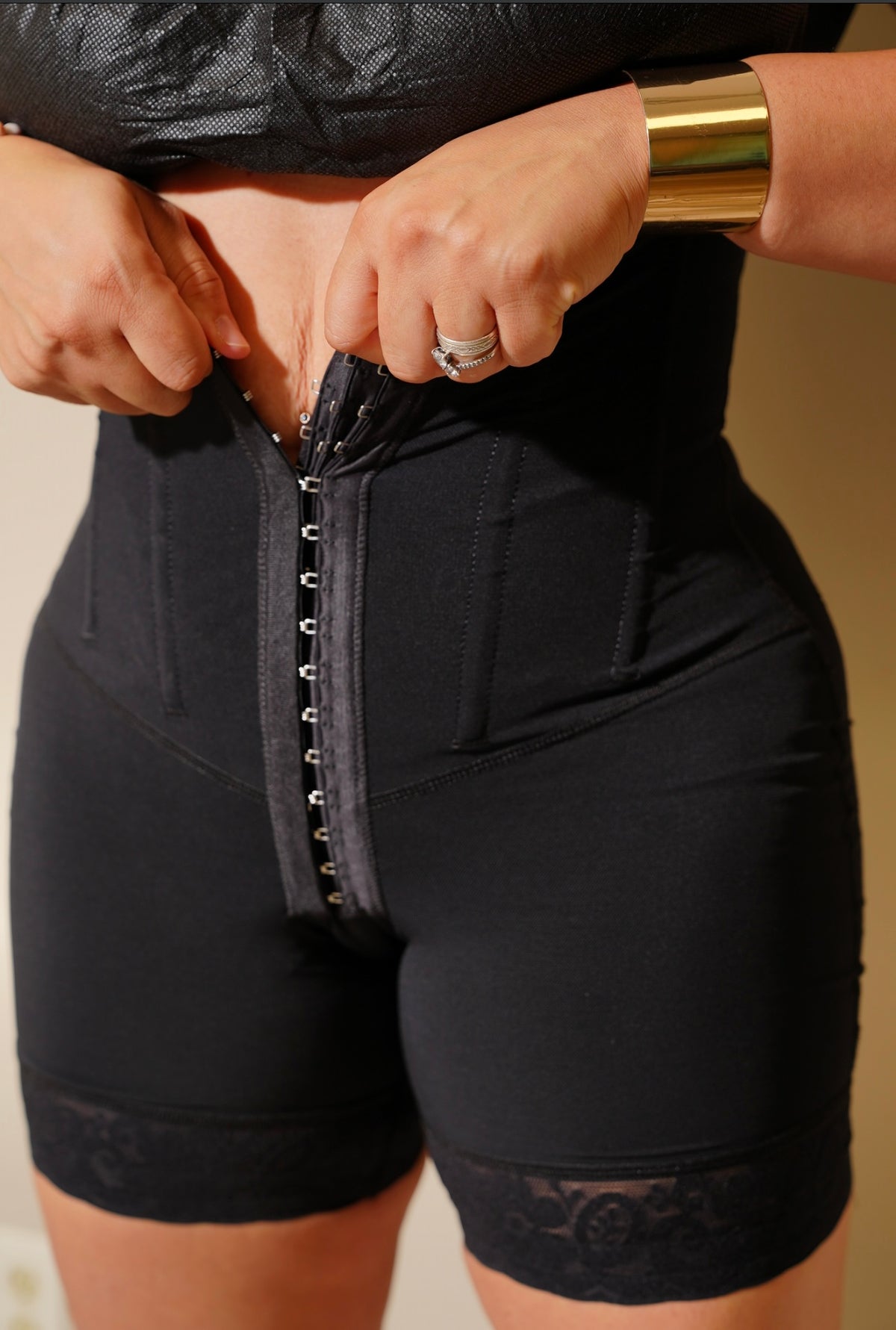
One of the best options for early healing is the Original Sport Faja. This adjustable faja was designed to help you move through the natural changes that happen during recovery without needing to buy multiple garments right away. Its multi-row hook-and-eye closure lets you tighten the fit as swelling goes down, which makes it especially helpful for post-operative recovery.
The Original Sport Faja also offers medical-grade compression in key areas like the abdomen, flanks, and lower back. That support can help you feel more secure while encouraging smooth body shaping through each phase of healing. For many women, an adjustable design also feels less stressful because it gives you room to adapt as your body changes.
How to Tell if Your Faja Fits Correctly
A good fit should feel firm but never painful. If you notice chest pressure, trouble breathing, numbness, tingling, or skin discoloration, the garment may be too tight and should be removed right away. On the other hand, if the fabric bunches or does not stay close to your body, it may not be giving you the compression you need.
The ideal fit is one that helps control swelling while still allowing comfortable movement. Recovery is not about squeezing into the smallest possible size. It is about finding the balance between support and comfort so your body can heal well.
Understanding When to Move Into Stage Two
Recovery usually happens in phases. In the early days after surgery, most women need steady compression around the clock, except when showering or washing the garment. As swelling starts to decrease, many women are ready for firmer support that continues shaping the body and encouraging a smoother silhouette.
That is where the Stage Two Collection comes in. Stage two garments are typically used later in the healing process, often once your surgeon clears you for higher compression. At that point, many women continue using their adjustable faja on a tighter setting or transition into a stage two option for more targeted body shaping and curve enhancement.
A Few Simple Recovery Tips
If you are planning for surgery, it is smart to have at least two fajas so you can rotate them while washing. Hand washing in cold water and air drying will help preserve the structure and compression. Many women also sleep in their faja during the earliest stage of healing, but you should always follow your surgeon’s instructions for your specific recovery plan.
Most importantly, give yourself grace during the process. Swelling, tenderness, and fit changes are a normal part of healing. The right garment should support you, not frustrate you. With the right measurements, the right compression level, and a thoughtful option like the Original Sport Faja, you can feel more confident through every step of your recovery.
The information in this article is for educational purposes only and does not replace medical advice. Always consult your board-certified plastic surgeon before choosing or changing a compression garment during recovery.
5. Execute Purchase.